I'm traveling home from the APA Pacific right now, and have to say it was probably the most enjoyable APA conference I've been to. There were some great sessions, and I was lucky to run into (and meet) some really kind, cool people. Anyway, while I was on the first leg of my flight home, I got to thinking about some things that sort of stuck out to me about my trip. Although my impressions are admittedly anecdotal, I couldn't help but be struck by a few things.
Is philosophical blood-sport dying (a much-needed death)?
I recall going to some APAs not too long ago where some sessions were really aggressive, with commentators and/or audience members really "going for the jugular." Obviously, I couldn't go to every talk, but I have to (pleasantly) say that I didn't run into one example of this sort of thing. Every session I was in was constructive and professional–and everyone, speakers, commentators, and audience members, seemed to enjoy the conversations. I don't know if this conference was an anomaly in this respect, or whether I just got lucky in the sessions that I went to, but I do have to say–from my perspective, it was really nice. And, at least anecdotally, I do get the impression that the blood-sport stuff just doesn't fly anymore, or at least, most people seem to be putting it to rest. Are my impressions accurate? What were your experiences?
Dissatisfaction with the reviewing process?
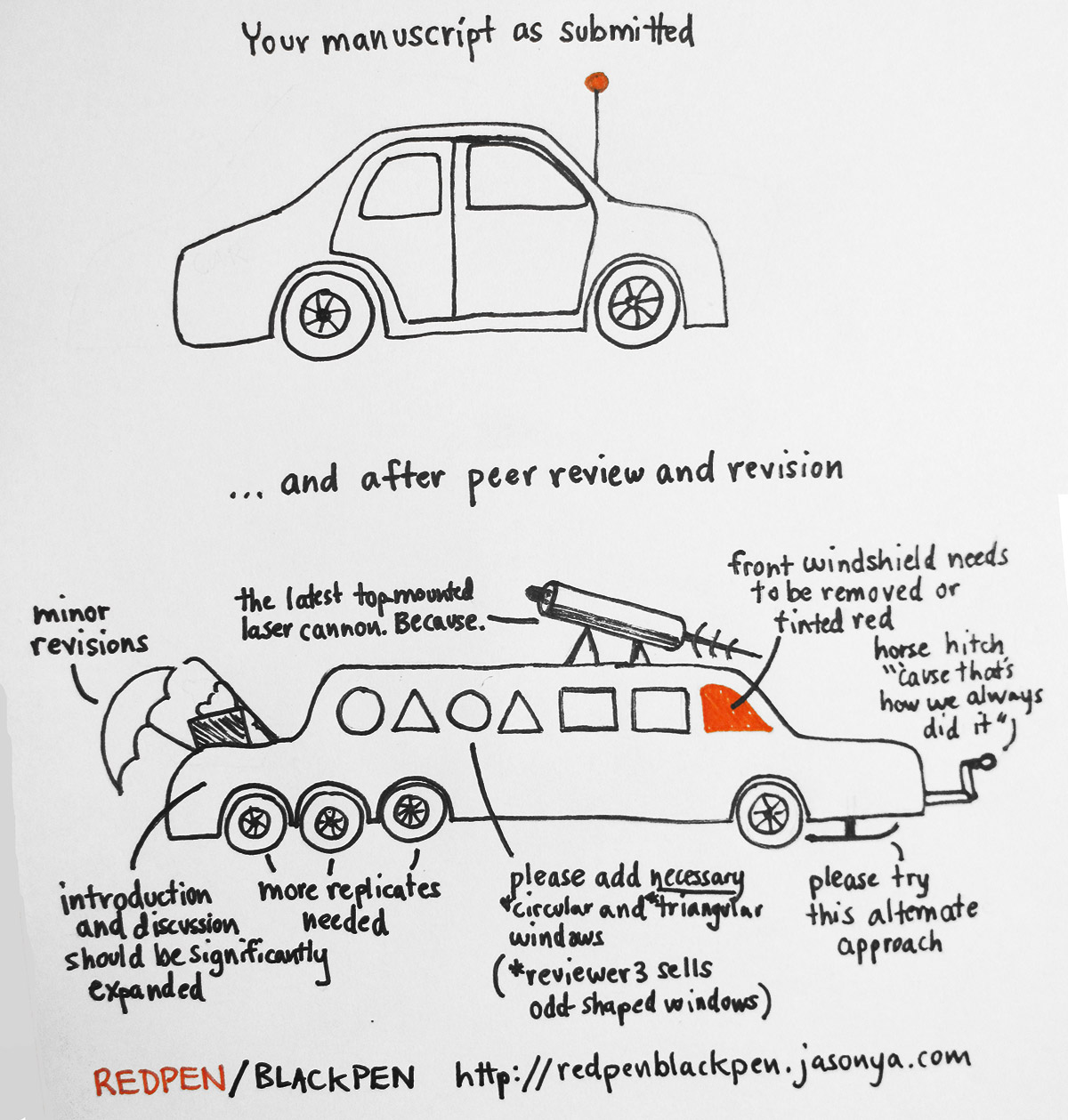
One of the most common themes I overheard this week–in at least a half-dozen different conversations–was frustration with journals, editorial practices, and reviewers. I know, I know: I've gone on about these sorts of things here on the Cocoon. But the interesting thing was that, with one or two exceptions, I wasn't even part of the conversations I overheard, and they weren't directed at me. They also weren't merely the frustrations of early-career people, as several of the conversations were initiated by really well-known senior people at Leiter top-20 programs reporting recent horror stories of their own (I do have to say it is encouraging to hear that such people have similar problems as the rest of us!). Anyway, the complaints were basically the usual: waiting 2 years to hear back from a journal, one-sentence rejections after six months, etc. And yes, while I suppose peer-review has probably always been this way–and I know plenty of people in other fields who also report frustrations with peer-review (gotta love this comic)–it was striking to overhear so many conversations about it.
Publications no one reads or discusses as career-tokens?
Another interesting conversation I encountered concerned the questions of why we bother to publish so much, and why papers in highly-ranked journals are considered so prestigious, when most such papers (including papers in top journals) are rarely cited or discussed. The general thought was that it seems to matter surprisingly little whether a paper is read, cited, or discussed; it seems to matter far more (for one's career) where one's work appears. Which seems really strange. Shouldn't we judge papers in terms of their philosophical impact? Why is a paper in Phil Review that no one ever cites or discusses "more prestigious" than an article in a low-ranked journal that no one ever cites or discusses (let alone more prestigious than a publication in a low-ranked journal that is more widely cited or discussed than the Phil Review article)? Indeed, given that journal-ranks are at best defeasible indicators of philosophical quality–and surely all journals have some Type-2 errors (false positives)–shouldn't we ultimately index the prestige of a publication to its actual impact (or lack thereof)? Good questions, I think.
Lost in the supermarket?
I have to say that most of the people I met at this year's Pacific did a really good job including people in conversations, outings into the city, etc. Yet I also encountered a couple early-career people (including a grad student) who implied they "felt left out of the party"–and so I think it's worth always reminding ourselves when at conferences: when in doubt, include, don't exclude. There's nothing worse than going to an APA and feeling like everyone knows each other except for you. Trust me, I know: I felt left out for years. It can be hard to approach people–so, if you're in a position to introduce yourself to someone and invite them out with the crowd, please do: trust me, the person will very likely appreciate it more than you can imagine!
Leave a Reply